Dubai’s Financial Ecosystem Overview
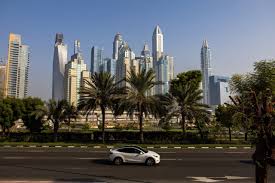
Dubai has established itself as one of the most dynamic financial and economic hubs in the world, strategically positioned between Europe, Asia, and Africa. Its economy is built on diversification, with strong contributions from trade, tourism, real estate, logistics, aviation, technology, and financial services. For individuals and businesses alike, Dubai represents a unique financial environment characterized by tax efficiency, global connectivity, and rapid economic growth. Unlike many Western economies, Dubai does not rely heavily on personal income taxation, which has allowed it to attract a large expatriate workforce and international entrepreneurs. However, financial success in Dubai requires a clear understanding of how income, expenses, banking systems, and investment opportunities function within the UAE’s regulatory framework. While the city offers immense earning potential, it also comes with lifestyle-driven expenses that can quickly erode savings if not managed properly. Understanding Dubai’s financial structure is therefore essential for tourists planning extended stays, expatriates relocating for work, and investors seeking long-term wealth growth.
Paragraph 2 – Cost of Living and Daily Financial Commitments
The cost of living in Dubai varies widely depending on lifestyle, location, and personal preferences, making it a city that can be both affordable and extremely expensive. Housing represents the largest financial commitment for most residents, with rental prices fluctuating based on proximity to business districts, metro access, and building amenities. Monthly rent for a modest apartment outside prime areas may be manageable, while luxury properties in central locations can command premium prices. Beyond housing, utilities such as electricity, water, and cooling costs can rise significantly during summer months due to air conditioning usage. Food expenses range from low-cost local eateries to high-end international dining experiences, offering flexibility but also temptation toward overspending. Transportation costs are relatively reasonable due to an efficient metro system, though car ownership introduces insurance, fuel, and maintenance expenses. Education, healthcare, and entertainment further shape financial planning, particularly for families. While Dubai offers many free or low-cost attractions, its lifestyle-driven economy encourages discretionary spending, making budgeting discipline a crucial financial skill.
Paragraph 3 – Income Structures, Salaries, and Employment Benefits
Income levels in Dubai are highly dependent on industry, experience, and employment sector, with significant variation between entry-level and executive positions. The city attracts professionals in technology, finance, engineering, healthcare, hospitality, and construction, each with different salary benchmarks. One of Dubai’s defining financial advantages is that salaries are typically paid tax-free, allowing individuals to retain a larger portion of their earnings compared to many other global cities. In addition to base salaries, employment packages often include housing allowances, transportation allowances, health insurance, annual flight tickets, and end-of-service gratuity benefits. However, the absence of state pensions or unemployment benefits means individuals must proactively manage savings and retirement planning. Freelancers and business owners may experience income variability but benefit from Dubai’s business-friendly policies and access to global markets. While earning potential is high, financial stability in Dubai depends on maintaining employment, managing contract renewals, and preparing for periods of transition or relocation.
Paragraph 4 – Taxation, Banking, and Financial Infrastructure
Dubai’s tax environment is one of its strongest financial attractions, with no personal income tax and relatively low indirect taxation through a modest value-added tax. Corporate taxation has been introduced in recent years, but it remains competitive and strategically designed to maintain the UAE’s appeal as a business hub. From a banking perspective, Dubai offers a sophisticated financial infrastructure with both conventional and Islamic banking options. Residents can open local and international accounts, hold multi-currency balances, and access digital banking platforms with ease. The banking system supports international transfers, investment products, and credit facilities, though requirements for account opening can be strict, particularly for non-residents. Credit cards, personal loans, and mortgages are widely available, but interest rates and repayment terms vary. Responsible borrowing is essential, as defaulting on debt can carry serious legal consequences. Overall, Dubai’s financial system is modern and efficient, but it demands financial literacy and compliance awareness.
Paragraph 5 – Investment Opportunities and Wealth Growth
Dubai offers diverse investment opportunities, ranging from real estate and equities to business ownership and alternative assets. Real estate remains one of the most popular investment avenues due to strong rental demand, population growth, and investor-friendly ownership laws in designated areas. Stock market participation through local exchanges provides exposure to regional companies, while international investment products allow portfolio diversification. Many expatriates use Dubai as a base for global investing, leveraging tax efficiency to accelerate wealth accumulation. However, investment success depends on market timing, regulatory understanding, and risk management. Short-term speculative behavior can lead to losses, particularly in volatile real estate cycles. Long-term investors who prioritize cash flow, asset diversification, and conservative leverage strategies are more likely to achieve sustainable financial growth. Professional financial advice is often beneficial, especially for high-net-worth individuals navigating cross-border taxation and estate planning.
Paragraph 6 – Long-Term Financial Planning and Risk Management
Long-term financial success in Dubai requires proactive planning, particularly due to the absence of state-sponsored retirement systems. Individuals must take responsibility for building emergency funds, retirement savings, and insurance coverage. End-of-service gratuity payments provide a financial cushion but should not be relied upon as a sole retirement strategy. Currency exposure, employment dependency, and cost inflation represent additional risks that must be managed carefully. Many residents eventually transition out of Dubai, making exit planning an essential component of financial strategy. By combining disciplined budgeting, diversified investing, and long-term goal setting, Dubai can serve as a powerful platform for wealth creation. Ultimately, those who treat Dubai not merely as a consumption-driven lifestyle destination but as a structured financial opportunity are best positioned to achieve lasting financial security.