Ireland’s Global Position and Why It Matters Now
Ireland occupies a distinctive place in the global landscape, combining the stability of a developed European economy with the agility of a small, open nation deeply integrated into international trade, finance, and technology. In recent years, Ireland has become increasingly central to conversations about mobility, investment, and long-term planning, not only for European citizens but also for global travelers, multinational corporations, and institutional investors. News emerging from Ireland consistently reflects this dual identity: a country rooted in tradition yet heavily influenced by global capital flows and policy decisions far beyond its borders. The question of where to go increasingly includes Ireland because of its political stability, English-speaking workforce, and access to the European Union, while the question of when to go is shaped by economic cycles, housing availability, and broader European monetary conditions. As global uncertainty pushes investors and professionals to seek jurisdictions that balance predictability with opportunity, Ireland has found itself both benefiting from and strained by its growing attractiveness.
Where and When to Go: Travel Patterns, Tourism Cycles, and Lifestyle Appeal
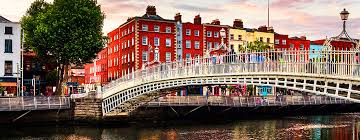
From a travel perspective, Ireland continues to draw millions of visitors each year, attracted by its natural landscapes, cultural heritage, and increasingly sophisticated urban centers. The optimal time to visit Ireland remains between May and September, when milder weather supports tourism along the Wild Atlantic Way, in historic cities such as Dublin, Cork, and Galway, and across rural regions that define the country’s global image. Travel news highlights a steady recovery and diversification of tourism demand, with visitors staying longer and exploring beyond traditional hotspots. However, Ireland’s appeal extends beyond tourism. Lifestyle migration has increased, driven by professionals relocating for work, education, or quality of life. This shift has altered the meaning of travel to Ireland, blurring the line between short-term visits and long-term residence. Timing has become critical, as housing availability, school enrollment periods, and employment contracts increasingly influence when individuals choose to move, rather than purely seasonal considerations.
Real Estate Market: Demand, Supply Pressure, and Investment Reality
Ireland’s real estate market has become one of the most scrutinized sectors in national and international news, reflecting a prolonged imbalance between supply and demand. Urban centers, particularly Dublin, have experienced sustained pressure on housing availability, driving up prices and rents while intensifying political and social debate. For investors, this imbalance presents both opportunity and risk. Strong rental demand offers income stability, yet regulatory interventions aimed at tenant protection and affordability can affect returns. Beyond Dublin, regional cities such as Cork, Limerick, and Galway have gained prominence as alternative investment destinations, supported by infrastructure development, university expansion, and corporate presence. Timing plays a crucial role in Ireland’s property market, as entry points are closely tied to interest rate movements across the Eurozone and government policy initiatives designed to increase housing supply. Unlike more speculative markets, Ireland’s real estate sector is underpinned by genuine occupancy demand, making it resilient but also politically sensitive.
Financial Landscape: Multinational Influence and Economic Foundations
Ireland’s financial and economic structure is deeply shaped by its role as a European base for multinational corporations, particularly in technology, pharmaceuticals, and financial services. News coverage frequently highlights Ireland’s success in attracting foreign direct investment, supported by a skilled workforce, favorable corporate tax policies, and access to EU markets. This multinational presence has bolstered employment and public finances, but it has also contributed to housing and infrastructure strain. Financial decision-making in Ireland is heavily influenced by Eurozone monetary policy, meaning interest rate changes by the European Central Bank have direct implications for mortgages, business investment, and consumer spending. For investors, Ireland offers transparency, strong legal protections, and institutional reliability, but requires patience and long-term planning rather than short-term speculation. The timing of financial commitments often aligns with broader European economic trends rather than domestic cycles alone.
Policy, Housing Debate, and National News Impact
Public policy has become a central theme in Ireland’s national discourse, particularly around housing, migration, and economic sustainability. Government initiatives aimed at increasing housing supply, reforming planning processes, and balancing foreign investment with social needs dominate headlines. News analysis suggests that while progress is being made, structural challenges remain, including construction capacity constraints and rising costs. At the same time, Ireland continues to navigate its role within the European Union, adapting to regulatory changes and geopolitical shifts that affect trade and investment. Visa policies, education frameworks, and labor regulations all influence when and why individuals and businesses choose Ireland. The interplay between national policy and global economic forces underscores Ireland’s position as both a beneficiary and a test case of globalization.
Ireland’s Long-Term Trajectory in a Globalized World
Looking ahead, Ireland’s future will be shaped by its ability to manage growth sustainably while preserving the qualities that make it attractive in the first place. Travel trends point toward continued interest in Ireland as both a destination and a place to live, while real estate and financial news emphasize the need for structural solutions to housing and infrastructure challenges. For investors and globally mobile individuals, Ireland remains a compelling option — not because it promises rapid returns, but because it offers long-term stability, institutional strength, and access to Europe’s single market. The question of where to go and when to go will continue to evolve as global conditions change, but Ireland’s role as a stable anchor within an increasingly uncertain world appears set to endure.
But nothing the copy said could convince her and so it didn’t take long until a few insidious Copy Writers ambushed her, made her drunk with Longe and Parole and dragged her into their agency, where they abused her for their projects again and again.
Proven Success Stories
Separated they live in Bookmarksgrove right at the coast of the Semantics, a large language ocean. A small river named Duden flows by their place and supplies it with the necessary regelialia. It is a paradisematic country, in which roasted parts of sentences fly into your mouth.
- Australia reopens borders to vaccinated tourists.
- Japan launches new high-speed rail line connecting Tokyo and Osaka.
- Greece introduces digital nomad visa for remote workers.
- Italy unveils plans for sustainable tourism initiatives.
- New luxury eco-resort opens in the Maldives.